Tower Hamlets council garden waste rules gardeners must know
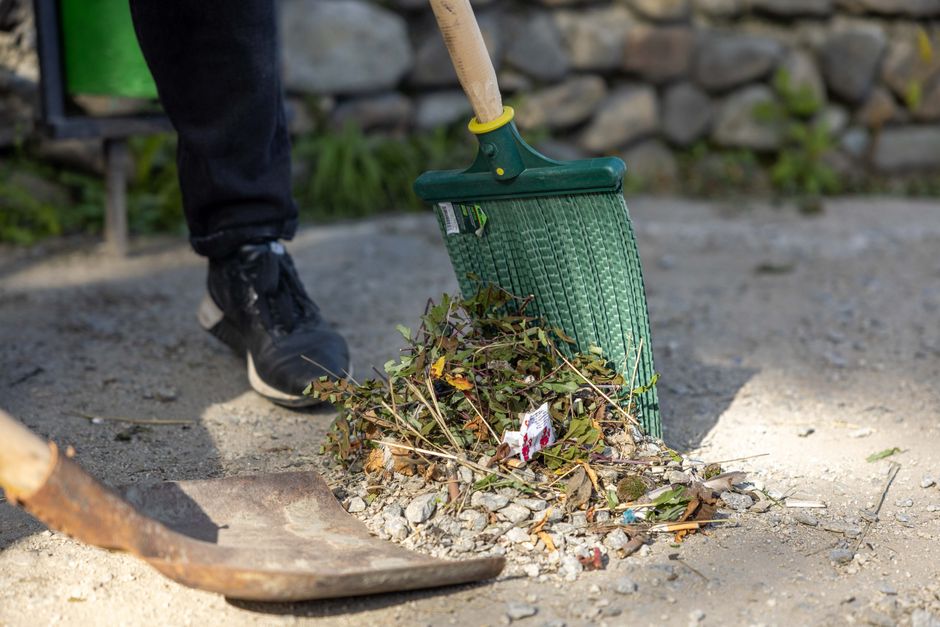
If you garden in Tower Hamlets, the rules around green waste are one of those practical details that can quietly make life easier or, if ignored, create a messy headache. Tower Hamlets council garden waste rules gardeners must know are not just about putting cuttings out on the right day. They affect how you sort, store, present, and dispose of garden waste from everyday maintenance, seasonal clear-ups, hedge work, pruning, and larger garden clearance jobs.
That matters whether you are a homeowner, landlord, tenant, or a professional gardener working in East London. One wrong bag, one overloaded bin, or a pile left in the wrong place, and suddenly a simple job becomes a failed collection or an extra trip to the tip. To be fair, most issues are easy to avoid once you know the local expectations. This guide breaks everything down in plain English, with practical steps, common mistakes, and a few tips from real-world gardening work in tight urban spaces where bins, pavements, and neighbours all matter.
Along the way, you will also see where a service like garden maintenance or garden clearance can help when the waste build-up is more than a standard bin day can handle. Let's get into it.
- Why these rules matter
- How garden waste collections work
- Benefits of getting it right
- Who needs to know these rules
- Step-by-step guidance
- Expert tips
- Common mistakes
- Tools and resources
- Compliance and best practice
- Options and comparison
- Real-world example
- Checklist
- Conclusion
- Frequently asked questions
Why Tower Hamlets council garden waste rules gardeners must know Matters
Garden waste sounds simple until you are standing over a pile of damp hedge clippings, a few broken stems, and a bag full of mixed debris wondering what can go where. In Tower Hamlets, the rules matter because council waste systems are designed to keep collections efficient, streets tidy, and contamination low. If garden waste is mixed with general rubbish, food, soil, rubble, or bulky materials, it can create problems for collection crews and for your own property management.
For gardeners, the practical impact is bigger than it first appears. A routine mowing job can produce a small amount of grass cuttings. A hedge trim can generate several sacks of green waste. A full spring tidy can fill a car boot, and a serious clearance can spill into the realm of a proper disposal plan. Without a clear understanding of the local rules, you can end up overfilling bins, leaving waste in the wrong place, or paying more than you need to.
There is also a neighbourly side to this. In a dense part of London, waste that smells, leaks, blocks access, or sits out too long can become a nuisance very quickly. A tidy disposal routine keeps the street calmer, the job more professional, and everyone less grumpy on a damp Tuesday morning. Truth be told, that alone is worth the effort.
Expert summary: The safest approach is to treat garden waste as a separate stream, keep it clean and uncontaminated, and plan disposal before the job starts rather than after the bags are already piling up.
How Tower Hamlets council garden waste rules gardeners must know Works
Garden waste rules usually revolve around a few simple ideas: separate the waste, keep it suitable for collection, and use the correct local route for disposal. In practice, that means checking how your household or garden job fits with the council's collection arrangements, bin presentation rules, and any charges or service conditions that apply.
Most garden waste is the green, organic material produced by normal gardening. Think grass cuttings, leaves, hedge trimmings, small prunings, and soft plant matter. It is generally handled differently from household rubbish because it can often be composted or processed separately. But there is an important caveat: not all garden-related material counts as garden waste. Soil, stones, plastic plant pots, timber with fixings, treated wood, and hard landscaping debris usually need different handling.
For gardeners in Tower Hamlets, the key is to understand the difference between waste that is accepted in a garden waste stream and waste that should be managed through a different route. That distinction sounds a bit dry, I know, but it saves time and avoids rejection. If you are dealing with a larger tidy-up, especially after hedge work or a seasonal reset, a professional services overview can help you decide whether regular maintenance or a one-off clearance is the better fit.
There is also a practical scheduling aspect. If you set waste out too early, it can blow around or get damp. Too late, and you miss the collection window. Too mixed-up, and the whole batch can be treated as contaminated. Small details, big consequences.
What usually counts as garden waste
- Grass cuttings
- Leaves and small twigs
- Hedge trimmings
- Soft plant cuttings
- Flowers, weeds, and dead plants
- Small branches, if your collection method allows them and they are prepared correctly
What usually does not count
- Soil and turf in large quantities
- Rubble, stones, and bricks
- Plant pots, trays, and labels
- Plastic ties, string, and packaging
- Treated timber, fence panels, and broken garden furniture
- Mixed rubbish hidden inside green waste
Key Benefits and Practical Advantages
Following the rules is not just about avoiding a failed collection. There are some very real advantages for anyone maintaining gardens in Tower Hamlets.
- Cleaner and quicker jobs: When waste is separated properly, the clean-up at the end is much faster.
- Lower risk of rejection: A tidy, uncontaminated load is far more likely to be accepted.
- Better value: If you are paying for disposal, separated waste is usually easier to manage than mixed waste.
- Less strain on access and storage: In smaller gardens and terraced homes, organised waste matters because space is limited.
- More professional finish: A garden looks genuinely finished when the waste has been removed properly, not just shoved into a corner.
There is another benefit that often gets overlooked: better planning. Once you know what the council expects, you can estimate how much waste a job will create. That helps with scheduling, bag counts, labour time, and whether you need extra help. If you run a maintenance round or manage several properties, that kind of control is gold, frankly.
For regular upkeep, services like lawn mowing, hedge trimming, and tree lopping and removal can be planned around waste output, so the garden does not become overwhelmed between visits.
Who This Is For and When It Makes Sense
These rules matter to more people than you might think. If you only do a light tidy once a month, the rules still matter. If you are pruning mature hedges every fortnight, they matter even more.
This guide is especially useful for:
- Homeowners in Tower Hamlets with private gardens
- Tenants who are responsible for keeping a garden tidy
- Landlords and letting agents arranging end-of-tenancy garden clearance
- Professional gardeners working across East London
- Property managers maintaining communal or shared outdoor spaces
- Residents dealing with seasonal surges in leaves, cuttings, and overgrowth
It also makes sense if you have recently completed a bigger outdoor project. Perhaps you have just finished a makeover, taken back an overgrown border, or removed a hedge that had been neglected for years. That is when waste volumes suddenly jump. One minute you are clipping a few stragglers, the next you are staring at a mountain of green bags. Happens all the time.
If the job involves more than routine maintenance, it may be worth combining disposal planning with wider garden work such as landscape gardening or landscaping, because waste handling becomes part of the project rather than an afterthought.
Step-by-Step Guidance
Here is a practical way to approach garden waste in Tower Hamlets without overcomplicating it.
- Identify the waste first. Separate green waste from general rubbish, hard materials, and anything hazardous before you begin bagging.
- Estimate the volume. A quick visual estimate helps you decide whether a bin, council collection, or private clearance is the best route.
- Check what is allowed. Make sure the waste is suitable for the local collection method and not contaminated with non-garden material.
- Prepare it properly. Cut oversized material into manageable lengths where needed, and keep bags or piles secure.
- Store it safely. Keep waste where it will not block access, leak across paths, or blow into the street.
- Present it on time. Put it out according to the relevant collection arrangement, not too early and not half an hour after the vehicle has gone. That little detail catches people out more than you would expect.
- Review what is left. If there is mixed debris or surplus material, sort it before the next disposal step.
A useful habit is to create a "waste plan" before starting any larger garden task. It does not need a spreadsheet and a cup of tea at the ready, though no one would judge you. Just ask: where will the waste go, how much will there be, and does the material fit the collection route you intend to use?
For ongoing upkeep, a scheduled garden maintenance visit often produces more predictable waste volumes than one-off jobs, which makes planning much easier.
Simple decision rule
If the waste is mostly clean green material, it is likely suitable for a garden waste route. If it contains soil, rubble, timber, plastic, or mixed rubbish, stop and separate it before moving on.
Expert Tips for Better Results
A few small habits make a huge difference, especially in compact London gardens where space is tight and neighbours are close by.
- Collect as you go: Do not leave all the clipping until the end. It becomes harder to sort and easier to contaminate.
- Use the right bags: Strong, manageable bags are much better than overstuffed ones that split on the pavement.
- Keep a "mixed waste" box: Put labels, ties, plastic pots, and oddments in one place so they do not end up in the green waste by accident.
- Cut material down early: Long branches and bulky hedge sections are easier to handle when reduced before bagging.
- Plan for wet weather: In London, a dry morning can turn into a drizzly afternoon with no warning. Wet waste is heavier, messier, and less pleasant to move.
- Do a final sweep: Check paths, drains, and borders for loose clippings. They always seem to hide in one last corner.
One of the best professional habits is to think about waste at the same time as the task itself. If you are arranging a hedge trim, for example, ask in advance how the cuttings will be handled. If you are dealing with mature shrubs or a tree that has outgrown its space, waste planning becomes part of the job. That is where a service like tree lopping and removal can be especially useful, because the waste output can be substantial.
Also, do not underestimate the value of sustainability-minded sorting. If your material can be handled through a greener route, that is usually better for everyone. A well-organised approach to recycling and sustainability can make day-to-day gardening less wasteful and more sensible. Pretty straightforward, really.
Common Mistakes to Avoid
Most garden waste problems come from a handful of recurring mistakes. Once you know them, they are easy enough to avoid.
- Mixing green waste with general rubbish: Even a small amount of contamination can spoil the load.
- Putting soil into green waste: Soil is one of the most common causes of rejection because it behaves differently from plant material.
- Overfilling bags or bins: Heavy, bulging sacks are awkward to move and may not be collected.
- Leaving sharp or hard items hidden in cuttings: Broken stakes, wire, and canes can cause injuries or damage.
- Ignoring access issues: Waste that blocks shared paths or entrances creates unnecessary friction with neighbours and contractors.
- Assuming all garden-related waste is treated the same: It is not. Green cuttings, timber, and hard landscaping waste are handled differently.
Another common one is waiting until the end of a job to sort the waste. By that point, everything is mixed together, damp, and far more annoying to handle. Much better to separate as you cut, prune, and clear. Bit boring maybe, but it works.
If you are dealing with a one-off clearance, it is often worth comparing the scope of work against a garden clearance service rather than trying to DIY every part of disposal. Sometimes the cheaper option on paper becomes the expensive one in time, fuel, and backache.
Tools, Resources and Recommendations
You do not need specialist equipment to follow local garden waste rules, but a few basics make everything smoother.
- Heavy-duty garden sacks: Better for clippings and leaves than flimsy bags that tear halfway to the gate.
- Pruning shears and loppers: Helpful for reducing branch size before disposal.
- Wheelbarrow or garden trolley: Useful for moving waste without repeatedly lifting heavy bags.
- Tarpaulin: Handy for gathering piles cleanly and protecting paths from mess.
- Gloves and closed footwear: A must when handling thorny, damp, or awkward material.
- Sorting crates or boxes: Good for separating pots, ties, and small accessories from organic waste.
On the service side, a sensible place to start is services overview, especially if you are deciding whether a garden needs ongoing upkeep, pruning, or a more complete tidy-up. For many households, that is the point where waste management becomes much simpler because the task is planned in advance.
It can also help to understand the business side of the job. If you are booking work, review pricing and quotes and make sure waste removal expectations are clear before the work starts. Nobody likes a surprise pile-up halfway through a visit.
If you want to understand how the company handles trust, process, or safety, pages such as insurance and safety and health and safety policy can be useful background reading. It is not glamorous, I know, but it tells you a lot about how professionally a job is likely to be handled.
Law, Compliance, Standards, or Best Practice
Garden waste handling in the UK sits within wider expectations around safe waste management, nuisance prevention, and responsible disposal. For gardeners, the most important thing is not to treat waste as an afterthought. If you are running a business, you have a stronger duty to manage waste properly, keep sites safe, and avoid leaving hazards behind.
Best practice is usually straightforward:
- Keep different waste streams separate.
- Do not contaminate green waste with general rubbish.
- Ensure bags or containers are safe to move.
- Do not block access routes, drains, or pavements.
- Use appropriate disposal methods for soil, timber, and hard materials.
- Be clear with customers about what is and is not included in a gardening job.
For commercial gardeners, documentation matters too. Even when the job is small, keeping clear records of what was removed and how it was handled is a sign of good practice. That is especially true if you are operating across multiple properties or handling recurring maintenance contracts. It is the kind of thing clients never see, but they notice when it is missing.
If in doubt, the safest route is always to separate, inspect, and choose the cleaner disposal option. That conservative approach usually saves time later. And, honestly, it avoids those awkward "sorry, this load can't go" moments that nobody enjoys.
Options, Methods, or Comparison Table
There are usually three practical ways to deal with garden waste in Tower Hamlets: use a council collection route if available to you, take waste away yourself, or arrange a professional clearance service. Which one suits you depends on volume, urgency, access, and the type of material involved.
| Method | Best for | Pros | Watch-outs |
|---|---|---|---|
| Council garden waste route | Small to moderate amounts of clean green waste | Convenient and straightforward when the material is suitable | May not suit mixed loads, large volumes, or awkward access |
| DIY disposal | Residents with transport and time | Full control over sorting and timing | Labour-intensive, messy, and not ideal for heavy or bulky waste |
| Professional clearance | Large clear-ups, overgrown gardens, or mixed debris | Fast, tidy, and easier for bigger jobs | Needs clear scope and transparent pricing |
As a rule of thumb, if you are dealing with a few bags of clean clippings, the simplest route may be enough. If the job includes dense hedge trimmings, branches, old planters, and soil from border rework, a proper clearance approach is more realistic. A service like garden clearance usually makes more sense once the pile stops feeling like "garden waste" and starts feeling like a small disaster.
For properties with regular growth and frequent touch-ups, a rolling schedule of garden maintenance plus occasional targeted tasks such as lawn mowing or hedge cutting keeps the waste stream lighter and easier to manage. Less drama. More garden.
Case Study or Real-World Example
A typical Tower Hamlets scenario might look like this. A small back garden has been left alone over winter, and by March the hedge is spilling over the fence, the lawn is patchy, and the borders have a thick layer of leaves and broken stems. The homeowner wants it all sorted in one visit.
The first problem is volume. The second is waste type. The grass cuttings are fine, but the hedge trimmings are bulkier. There are also a few broken canes, some old plant ties, and a pocket of soil pulled up during border work. If everything goes into one pile, the result is messy and potentially non-compliant with the local garden waste route.
The better approach is to sort as the work happens:
- Grass goes into one set of bags.
- Hedge cuttings are bundled separately.
- Plastic ties and broken accessories are kept out of the green waste.
- Soil is isolated and managed separately.
At the end, the garden looks fresh, the paths are clear, and disposal is simpler because each material has been handled properly. That is a small thing on paper, but in real life it saves a surprising amount of time. You can hear the difference, too - no rustling through mixed rubbish, no dragging half-open bags, just a cleaner finish.
In jobs like this, a company that is already set up for safe handling and clear processes tends to make everything easier. That is one reason people often look at about us before booking. Not because they want a biography, but because they want to know the work will be done sensibly.
Practical Checklist
Use this checklist before you leave any garden waste out for collection or removal.
- Have I separated green waste from household rubbish?
- Have I removed soil, rubble, plastic, and timber from the load?
- Are bags or containers manageable and not overfilled?
- Have I cut oversized branches or tied bundles where needed?
- Is the waste stored safely and not blocking access?
- Do I know when and how the waste will be collected or removed?
- Have I checked for sharp items, wire, or hidden fixings?
- Does the volume suggest I need a clearance service rather than a basic collection?
- Have I left the area tidy after loading the waste?
- Do I know who to contact if the waste needs a different disposal route?
If you are arranging work with a professional team, it also helps to read the company's terms and conditions and payment and security information so expectations are clear before the job begins. That kind of preparation saves awkward conversations later.
Conclusion
Tower Hamlets council garden waste rules gardeners must know come down to one simple idea: keep garden waste clean, separate, and manageable, and plan for disposal before the job begins. If you do that, most of the hassle disappears. Your garden looks better, your waste is easier to handle, and you avoid the avoidable problems that slow down collections or make a small tidy-up much bigger than it needs to be.
For routine gardens, a sensible maintenance rhythm is usually enough. For overgrown spaces or post-project clearances, a more structured disposal plan is the smarter move. Either way, the key is to work with the waste, not against it.
If you want support with a tidy-up, regular upkeep, or a full clearance plan, explore the relevant service pages and choose the route that fits the size of the job. Small gardens, big gardens, last-minute chaos - it all becomes easier when the waste side is sorted early.
Get a free quote today and see how much you can save.
Frequently Asked Questions
What counts as garden waste in Tower Hamlets?
In practical terms, garden waste is usually the organic material produced by normal gardening, such as grass cuttings, leaves, hedge trimmings, weeds, flowers, and small prunings. Soil, rubble, plastic, and timber are typically handled separately.
Can I mix soil with garden waste?
It is usually better not to. Soil often needs a different disposal route and can contaminate a green waste load. If you have some soil from border work, separate it before bagging the rest.
What if my garden waste is too much for a normal bin?
If the volume is more than your bin or usual collection route can handle, you may need to spread disposal over several bags, arrange a clearance, or plan a professional removal. Bigger jobs are often easier with a proper clearance service.
Do hedge trimmings count as garden waste?
Yes, hedge trimmings are generally considered garden waste, provided they are not mixed with non-garden materials. Large or woody trimmings can be bulky, so it helps to cut or bundle them sensibly.
Can I put branches out with my garden waste?
Small branches may be accepted depending on the disposal method, but they should be prepared properly and not mixed with hard materials or rubbish. If the branches are thick or numerous, a dedicated removal method may be better.
What is the best way to avoid a rejected garden waste load?
Keep the waste clean, dry enough to handle, and free from contamination. Remove plastic ties, pots, rubble, stones, and any other non-green material before it goes out.
Should I book garden clearance or maintenance?
Maintenance makes sense for regular upkeep, while clearance is better for one-off jobs, overgrown gardens, or mixed waste. If you are unsure, think about volume and how messy the job will be.
Is it worth separating garden waste during the job?
Yes, absolutely. Sorting as you work saves time at the end and reduces the risk of contamination. It also makes bags lighter and easier to move.
What should I do with old plant pots and labels?
Keep them out of green waste. Plastic pots, tags, and labels are not garden waste in the usual sense and should be separated before disposal.
Why do professional gardeners care so much about waste sorting?
Because it saves time, avoids rejected loads, and keeps the worksite tidy and safe. In a busy area like Tower Hamlets, that professionalism matters just as much as the pruning itself.
Where can I learn more before booking a service?
Start with the relevant service pages, then look at company information such as services overview, pricing and quotes, and recycling and sustainability so you know what to expect.
What if I only have a small amount of waste after mowing or pruning?
Small amounts are usually easiest to manage with regular maintenance and simple bagging, as long as the material is clean and separated. A little planning here saves a lot of faff later.
If you are still unsure which route is best for your garden, take a calm look at the waste first, then choose the simplest legal and practical option. That steady approach tends to work beautifully, and your garden will thank you for it.